
Know when urgent symptoms should not wait
Clear warning signs explained
We highlight symptoms that need hospital or A and E assessment without delay.
Immediate advice for chemicals
Begin rinsing with clean water straight away and seek emergency medical help.
Routine care kept separate
Ongoing practice appointments are different from sudden or severe eye problems.
Know the warning signs that need urgent help
When something changes suddenly with an eye, it can be difficult to judge whether it can wait. Some symptoms should not. Sudden loss of vision, significant eye injury, chemical exposure, severe pain, flashes with a sudden increase in floaters, or a curtain-like shadow across the vision all need urgent hospital assessment. In those situations, we direct patients to Queen Alexandra Hospital's Eye Ophthalmology Department or Accident and Emergency as quickly as possible. If chemicals have gone into the eye, start rinsing it continuously with clean water straight away while seeking emergency medical help. Clear action matters more than delay when symptoms are severe or unexpected.

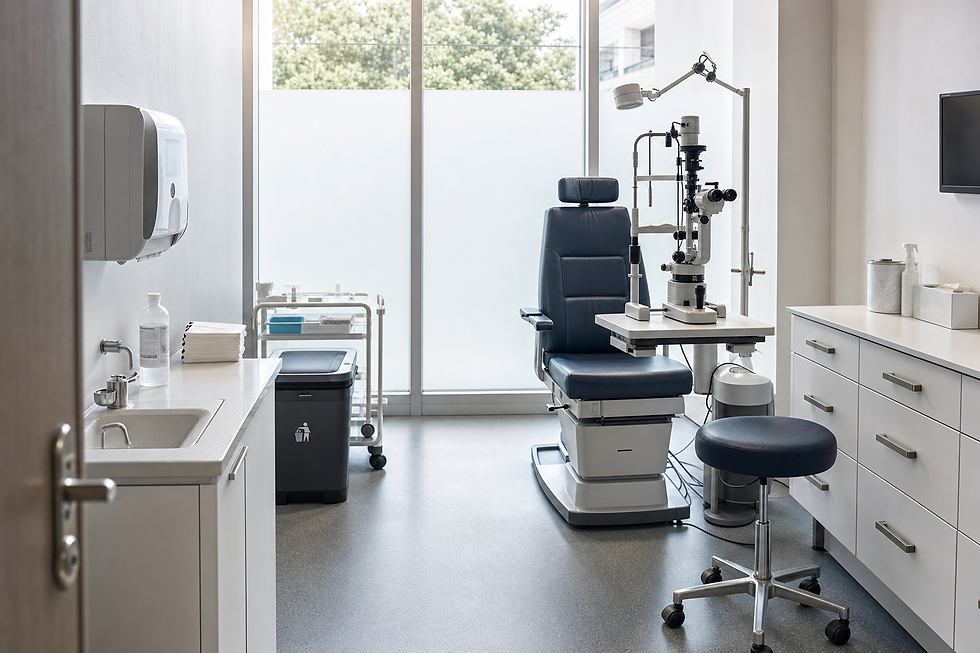
Routine appointments and emergencies are not the same
We do see patients for ongoing eye-care appointments, but immediate injuries, sudden visual problems and severe symptoms need a different route. If you're seeking guidance about a worrying change, it helps to say when the symptoms began, whether one or both eyes are affected and whether there is pain, discharge, injury or a change in vision. That information can help point you in the right direction quickly. For uncertain but non-emergency problems, sending us a message can help. For emergencies, hospital care remains the right next step.
Frequently asked questions
When should hospital care be sought straight away?
Hospital assessment is the right step for sudden loss of vision, significant eye injury, chemical exposure, severe pain, flashes with a sudden rise in floaters, or a curtain-like shadow over the vision. Those symptoms should not wait for a routine practice appointment.
What should be done after chemical exposure to an eye?
Begin rinsing the eye continuously with clean water immediately and seek emergency medical help without delay. Fast action matters. Chemical exposure is not something to watch and wait with or manage through a routine appointment at our practice.
Can ongoing eye concerns still be discussed with you?
Yes. We can help with ongoing eye-care appointments and non-emergency concerns. If a problem is sudden, severe or linked to injury, hospital care is more appropriate. If it is less urgent, describing the symptoms clearly can help us guide your next step.